Design That Sells: The Psychology of Converting Web Design
Colors, typography and layout are not random choices — they are psychological tools that guide behavior.
UX, UI, branding and visual identity — design principles that work in production.
9 articles
Colors, typography and layout are not random choices — they are psychological tools that guide behavior.
Your brand is not your logo. It's the feeling people get when they hear your name. That's how you build that feeling.
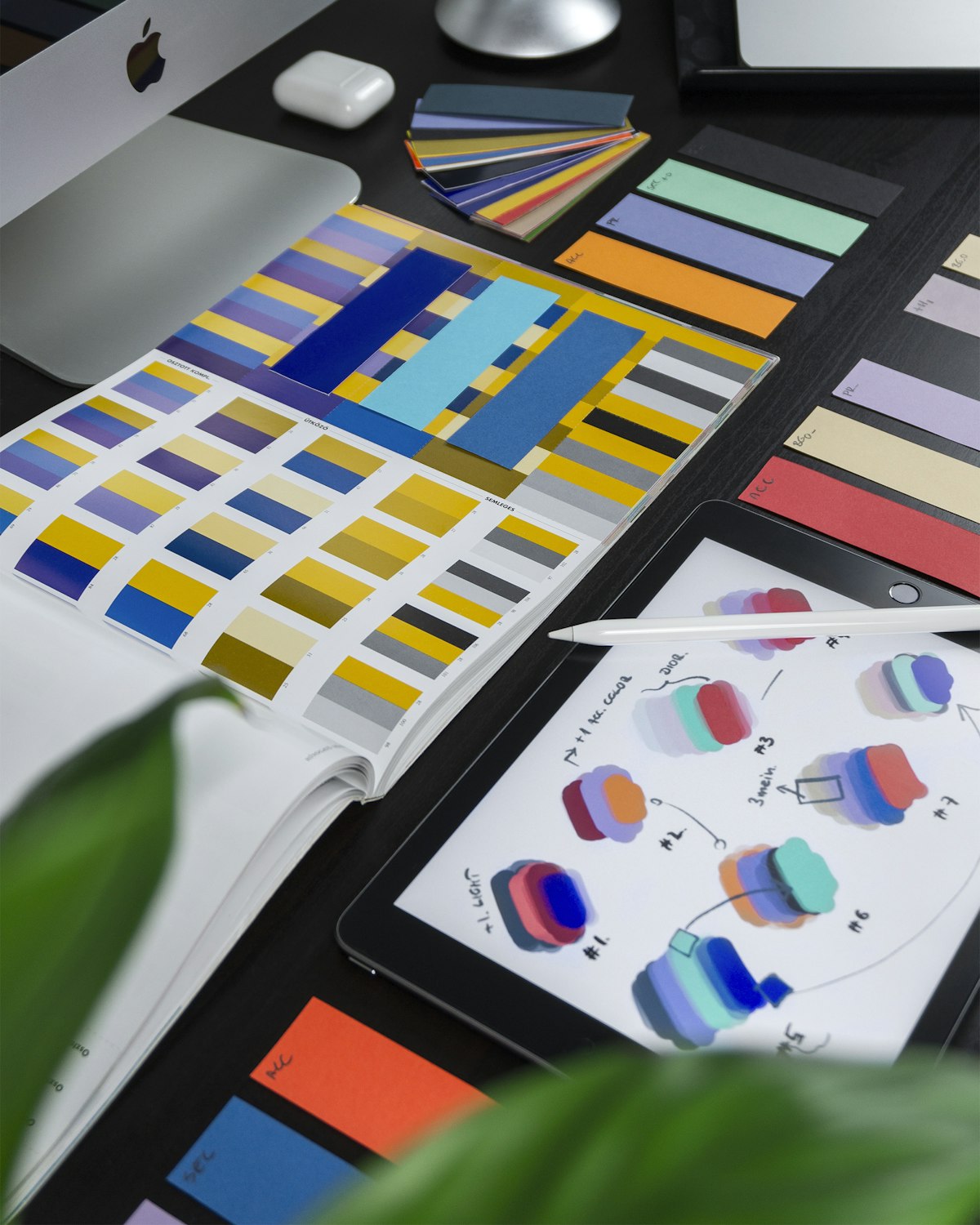
The right colors and fonts make a brand easily recognizable – the wrong choice makes it indistinct or even inaccessible. Here are the concrete principles behind a sustainable visual choice.
By ZORC
What a design system actually is, why tokens and governance keep design and code scaling at pace—and how growing product teams avoid UI chaos.
By ZORC
A logo is just the beginning. Here's what a visual identity actually consists of - and what makes a brand strong and recognizable.
By Olivia Elm
Colors affect how customers feel and act on your site. This is how color psychology works in web design - and how you choose colors that build trust and sell.
By Olivia Elm
The font affects how credible your site feels - often without the visitor noticing. How to choose typography that builds trust.
By Olivia Elm
Sufficient color contrast and readable text means that more people can use your site. Here are the practical guidelines and how to test them for free.
By Olivia Elm
A brand manual gathers logo, colors, fonts and tone in one place so that everything you publish looks the same. Here is what it should contain.
By Olivia Elm