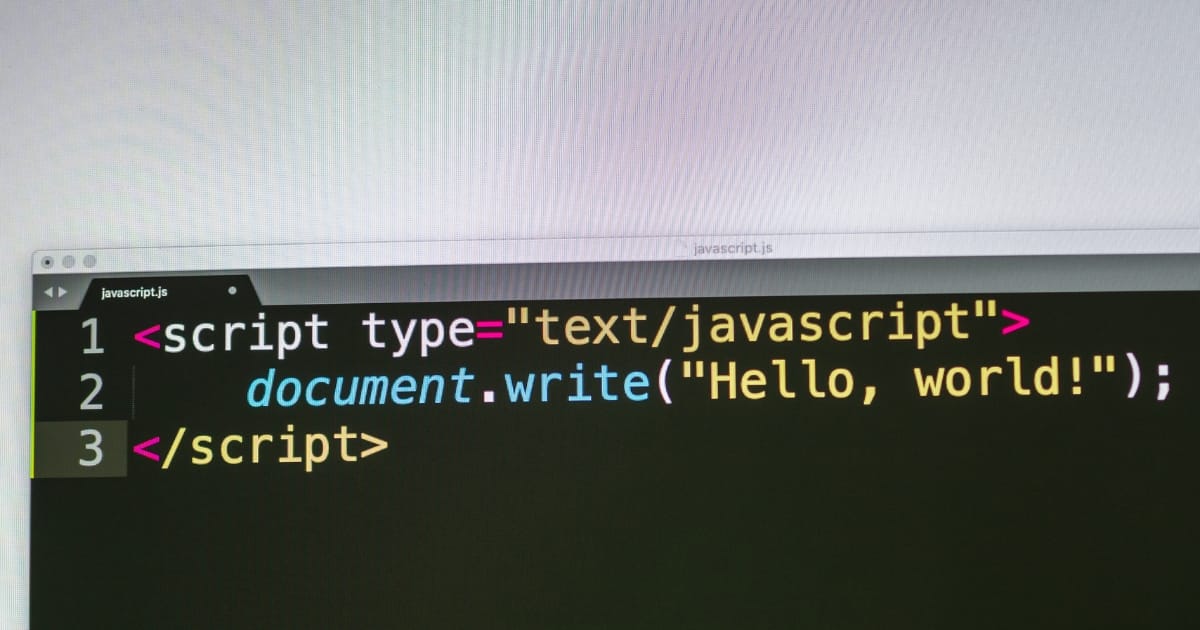
What is TypeScript and why has it taken over the JavaScript world?
TypeScript is JavaScript with static typing. This means that you declare the type of data a variable is expected to contain – string, number, object, array – and the TypeScript compiler detects if you violate these contracts right in your editor, long before the code is run in production.
The result is that many of the most common bugs in JavaScript code—calling a method on undefined, passing the wrong type of argument to a function, ignoring that an API response can be null—are eliminated at compile time instead of crashing for end users in production.
When is TypeScript worth the investment?
For thin scripts and prototypes, TypeScript is overkill - the typing system adds startup friction without proportional benefit. For everything from medium-sized applications and up, it's hard to argue against TypeScript. Large untyped JavaScript codebases become progressively more difficult to maintain as the team grows and the code ages.
Microsoft, Google, Airbnb, Stripe and almost every serious tech company runs TypeScript in production. The ecosystem has reached critical mass where most npm packages ship TypeScript types by default.
The most common mistakes when learning TypeScript
The most common mistake is to useanyeverywhere.anydefeats the whole purpose of TypeScript - it tells the compiler to ignore type checking for that variable. It is sometimes necessary but should be avoided.
The second most common mistake is to overcomplex the types. TypeScript doesn't need to be advanced to provide value. A simple oneinterfacethat describes your API response is enough to catch 80 percent of the bugs TypeScript is designed to find.
TypeScript and AI-powered development
An underrated benefit of TypeScript in the glory of AI-powered code generation: when you use tools like GitHub Copilot or Cursor to generate code, TypeScript types help the AI generate more accurate code. Typdefinitioner är ett slags formellt kontrakt som AI-verktyg kan läsa och respektera.