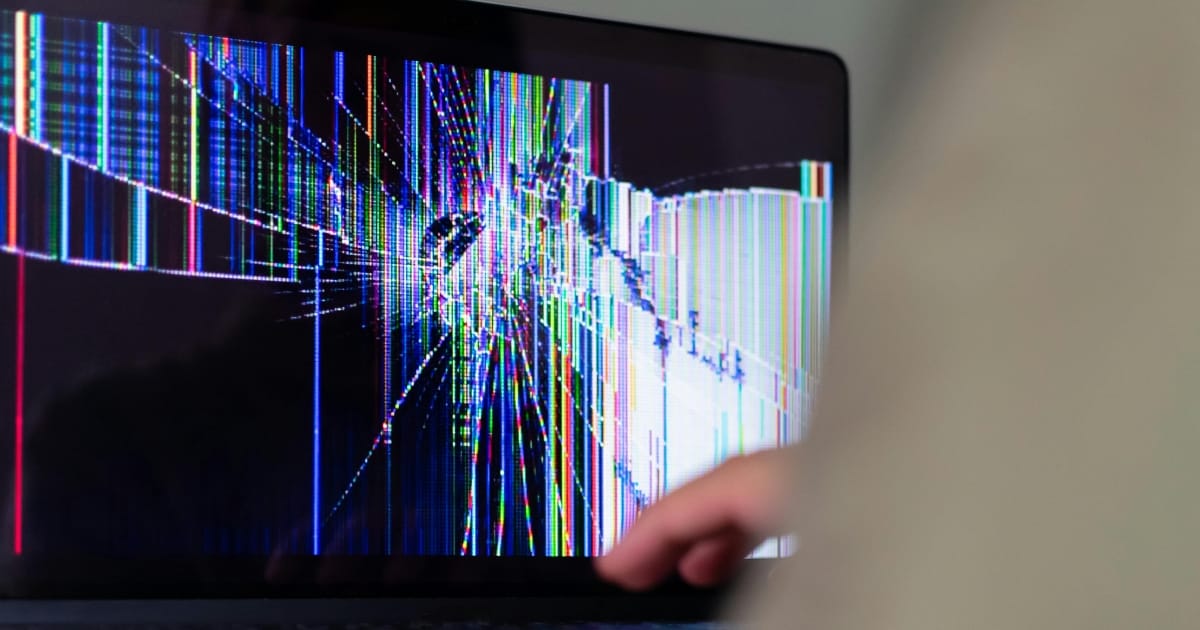
What is technical debt and why is it a business problem?
Technical debt is the accumulated cost of taking shortcuts in the code base – choosing a quick, easy solution now that will cost more to maintain and change in the future. The term was coined by programmer Ward Cunningham and is one of the most common reasons why established products lose momentum to newer competitors.
Technical debt is not always a mistake. Sometimes it's a conscious decision: to launch quickly and repay the debt later when you have more resources. The problem arises when the debt is never repaid.
The symptoms of high technical debt
When technical debt reaches a critical level, it manifests itself in clear symptoms. New features take a disproportionately long time to implement. Bug fixes introduce new bugs. Onboarding new developers takes months instead of weeks. Upgrading dependencies is a terror task no one wants to undertake. The system crashes in a way that is hard to reproduce and even harder to fix.
The most common causes of technical debt
The most common reason is lack of time during launch. MVPs are built quickly and a lot of what "just works" should never reach production but does anyway. Inadequate tests are another big factor – without tests, it's impossible to refactor code safely.
Knowledge silos are undervalued: when only one person understands one part of the system, and that person quits, the entire component can become untouchable out of fear.
How to measure technical debt
Static analysis tools such as SonarQube and CodeClimate provide a quantitative measurement of quota complexity, duplication and vulnerabilities. Test cover mode is a proxy measure of how safe refactoring is. Deployment frequency is an indirect measure: teams with high technical debt deploy infrequently because each deployment is risky.
Repayment strategies
The most effective strategy is to set aside 20-30 percent of sprint capacity for technical debt – continuously, not in big "debt resolution" sprints that are always de-prioritized as product news pushes.